Does diet soda break your fast? Gum, broth, shakes and autophagy explained
Black coffee, diet cola, gum, bone broth, protein shakes: what's allowed while fasting? The answer depends on why you're fasting. Here's what the research actually shows.
Medically reviewed by Dr LJ Ncube, MBChB · Updated November 2026
- If you're fasting to lose weight, what matters is calories. Drinks with almost no calories won't undo your progress
- Bone broth and protein shakes contain calories, so they do break a fast
- Autophagy is real, but there's little evidence in humans about how long you need to fast to trigger it
First, what are you fasting for?
Most people fast to eat less and lose weight. For that goal, a few calories here and there make little difference. Some people fast hoping for effects on cells, such as autophagy. For that goal, the strict rule is nothing but water, black coffee or plain tea, but the human evidence is much thinner.
Quick guide
Show as a table
| Water, coffee, tea | 2 kcal |
| Diet drink, 330 ml | 1 kcal |
| Sugar-free gum | 5 kcal |
| Splash of milk | 15 kcal |
| Bone broth (1 cup) | 45 kcal |
| Protein shake | 150 kcal |
Approximate values from typical product labels.
| Item | Breaks a fast? | What the research says |
|---|---|---|
| Water, black coffee, plain tea | No | Almost no calories. Coffee may even reduce hunger for some people |
| Diet or zero-sugar drinks | Barely, if at all | Almost no calories. In trials, people who drank them lost as much or slightly more weight than people who drank water |
| Sugar-free gum | Barely | A few calories. In one study, chewing gum reduced snacking by about 10% |
| Sweeteners in tea or coffee | Barely | Almost no calories, but the WHO advises against relying on them for long-term weight control |
| Bone broth | Yes | Usually around 40 to 50 calories a cup, mostly protein. Can make a long fast easier, but it isn't fasting |
| Protein shake | Yes | Often 100 to 200 calories. Best taken as part of a meal in your eating window |
| Milk in tea or coffee | Slightly | A splash adds about 10 to 20 calories. Fine for weight loss for most people |
Diet drinks and sweeteners
In a large 52-week trial, people in a weight-loss programme who drank diet drinks lost slightly more weight (7.5 kg) than people who drank only water (6.1 kg). On the other hand, the World Health Organization advises against using sweeteners as a long-term weight-control strategy, because large observational studies link heavy use with weight gain and heart disease, though they can't prove cause. Our view: diet drinks are a better choice than sugary drinks, and water is best of all.
Bone broth
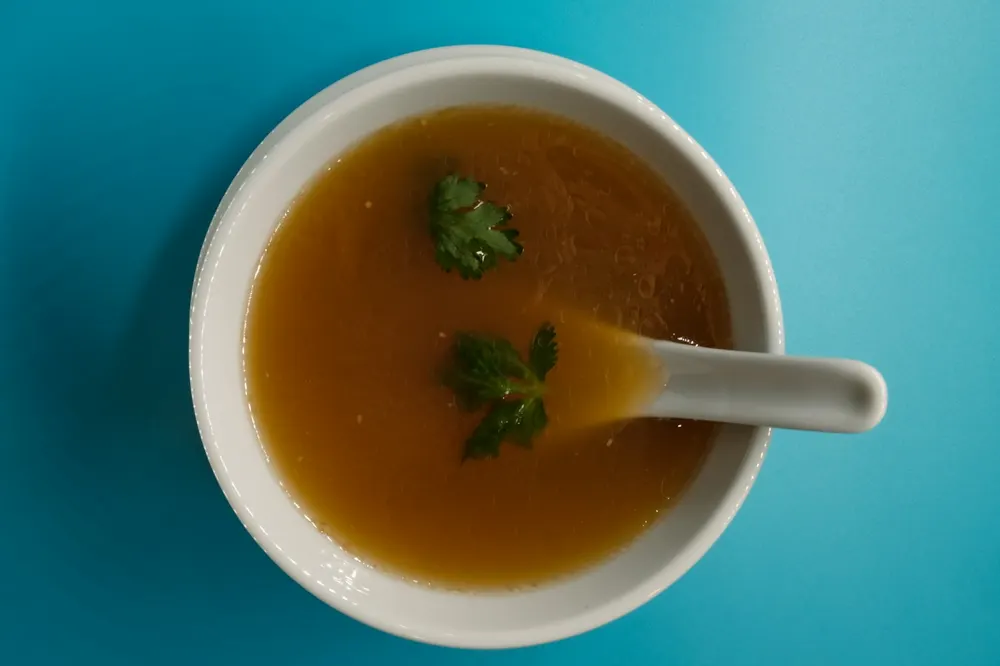
Bone broth is popular online for gut health and collagen, but there's very little good research on it in people. It contains protein and some salt, which can help with headaches and dizziness on a long fast. If you need it, you're no longer fasting, and that's fine.
Protein shakes
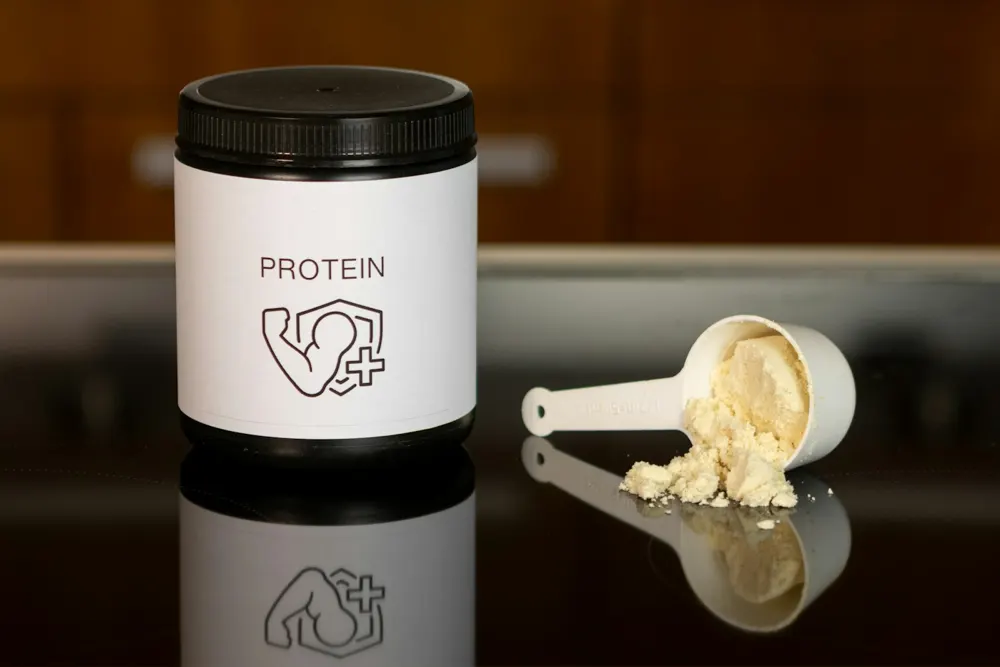
Protein helps protect muscle while you lose weight, especially with strength exercise. Have your shake as part of your eating window, not during a fast.
What is autophagy?
Autophagy means self-eating. It's the way your cells break down and recycle old or damaged parts. The scientist who worked out how it happens, Yoshinori Ohsumi, won the Nobel Prize in 2016, mostly from studies in yeast.
Fasting switches on autophagy in animals, in many organs. In humans it's much harder to measure. In one study, a 24-hour fast changed some markers of autophagy in human muscle, but people doing intermittent fasting didn't show the same changes. We don't yet know how long a person needs to fast to get a meaningful benefit, or whether that benefit improves health.
Be wary of claims that you need a 36- or 72-hour fast to clean out your cells. There's no good human evidence for a specific number of hours.
Answer a few questions online and our doctor will reply on WhatsApp, usually within 24 hours.
Common questions
Does black coffee break a fast?
No. It has almost no calories. Avoid sugar and large amounts of milk if you want to keep it that way.
Does lemon water break a fast?
A slice of lemon adds only a couple of calories, so not in any meaningful way.
Do I lose muscle when fasting?
You can, if you don't eat enough protein in your eating window or don't do any strength exercise.
Related
Sources
We base our guides on peer-reviewed research and guidance from health authorities. Where studies disagree or evidence is limited, we say so.
- World Health Organization. WHO advises not to use non-sugar sweeteners for weight control (guideline, 2023). who.int
- Harrold JA, et al. Non-nutritive sweetened beverages versus water after a 52-week weight management programme. Int J Obes. 2024. PubMed
- Peters JC, et al. The effects of water and non-nutritive sweetened beverages on weight loss. Obesity. 2014. PubMed
- Hetherington MM, Regan MF. Effects of chewing gum on short-term appetite regulation. Appetite. 2011. PubMed
- Bagherniya M, et al. The effect of fasting or calorie restriction on autophagy induction: a review. Ageing Res Rev. 2018. PubMed
- Chaudhary R, et al. Intermittent fasting activates markers of autophagy in mouse liver, but not muscle from mouse or humans. Nutrition. 2022. PubMed
- The Nobel Prize in Physiology or Medicine 2016: Yoshinori Ohsumi, for discoveries of mechanisms for autophagy. nobelprize.org
- Morton RW, et al. Protein supplementation and resistance training-induced gains in muscle mass and strength. Br J Sports Med. 2018. PubMed
This guide is general information, not advice for your situation. Speak to a doctor before starting or changing any medicine.