Protein, carbs, fat and fibre: what your plate is really missing
Every food is made of three main nutrients, called macronutrients: protein, carbohydrate and fat. Add fibre, and you have the building blocks of a healthy plate. Here's what each one does and where to find it.
Medically reviewed by Dr LJ Ncube, MBChB · Updated November 2026
- Protein keeps you full and protects muscle, especially while losing weight
- Choose whole-grain and high-fibre carbs over white, refined ones
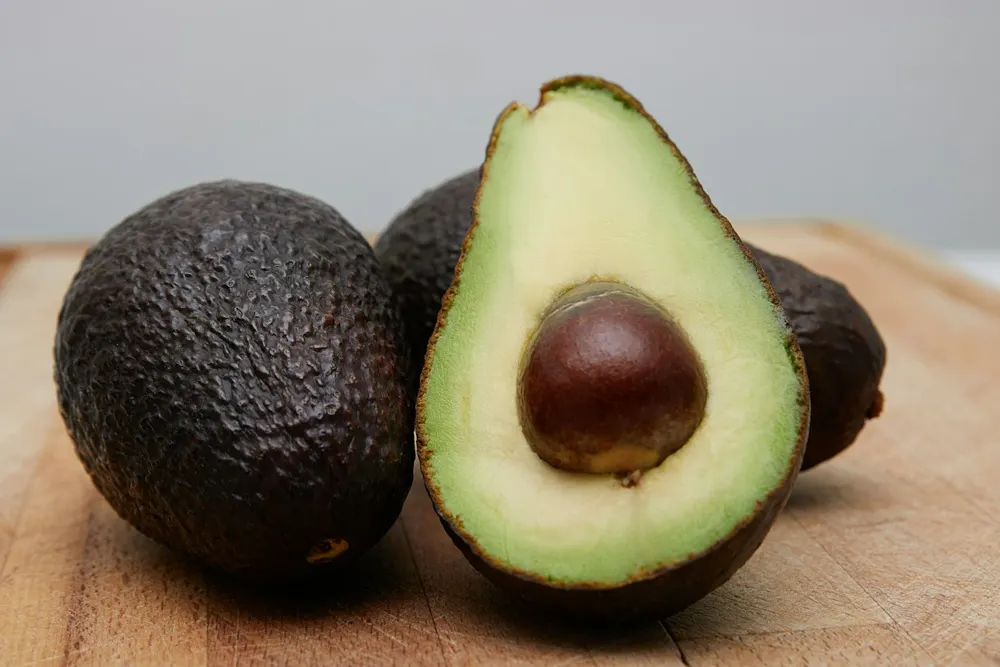
- Healthy fats from nuts, avocado and fish are better than fried and processed fats
- Most people eat too little fibre. Aim for 25 to 30 g a day

1. Protein
Show as a table
| Fat | 9 kcal |
| Protein | 4 kcal |
| Carbohydrate | 4 kcal |
Standard energy values used on food labels.
Protein builds and repairs muscle, skin and other tissues, and keeps you full for longer. When you're losing weight, eating more protein helps you keep muscle and lose more fat. Most adults need at least 0.8 g per kg of body weight a day, and many people losing weight do better with more.
- Animal sources: eggs, chicken, fish such as kapenta and bream, beef, milk and maas
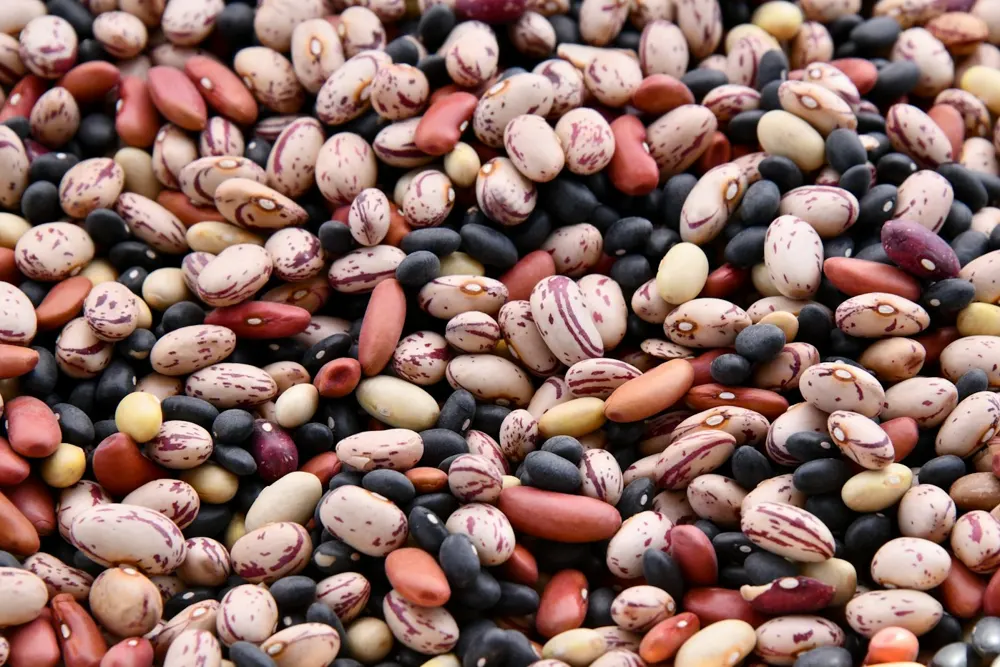
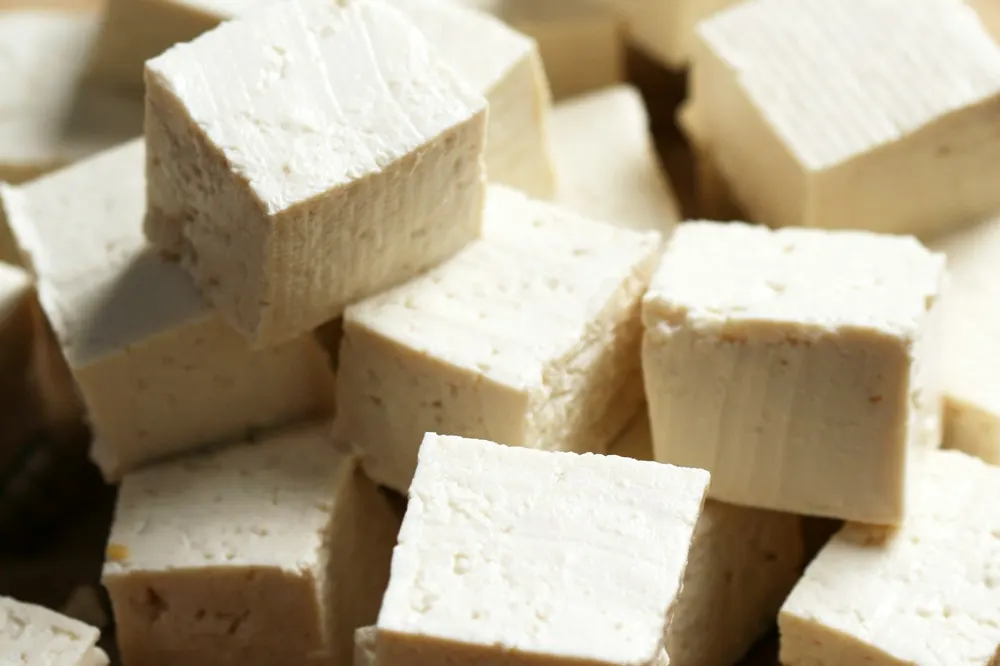
- Plant sources: beans, sugar beans, lentils, peanuts and peanut butter, soya chunks, tofu
Animal or plant protein?
Both can build muscle. In a 2023 trial, young adults on a high-protein vegan diet gained as much muscle from strength training as those eating meat, as long as they ate enough protein in total.
For long-term health, plant protein has an edge. In a study of over 130,000 adults followed for decades, people who ate more plant protein had lower death rates, while higher animal protein was linked to more heart deaths, mainly in people with other unhealthy habits such as smoking. Swapping processed red meat for plant protein was linked to the biggest benefit.
In practice: mix both, swap some meat meals for beans or lentils, and go easy on processed meats like polony, sausages and bacon.
2. Carbohydrates
Carbohydrates are your body's main fuel. The type matters more than the amount for most people. Whole grains and high-fibre carbs release energy slowly. Refined carbs and sugar raise your blood sugar quickly and leave you hungry sooner.
| Choose more often | Choose less often |
|---|---|
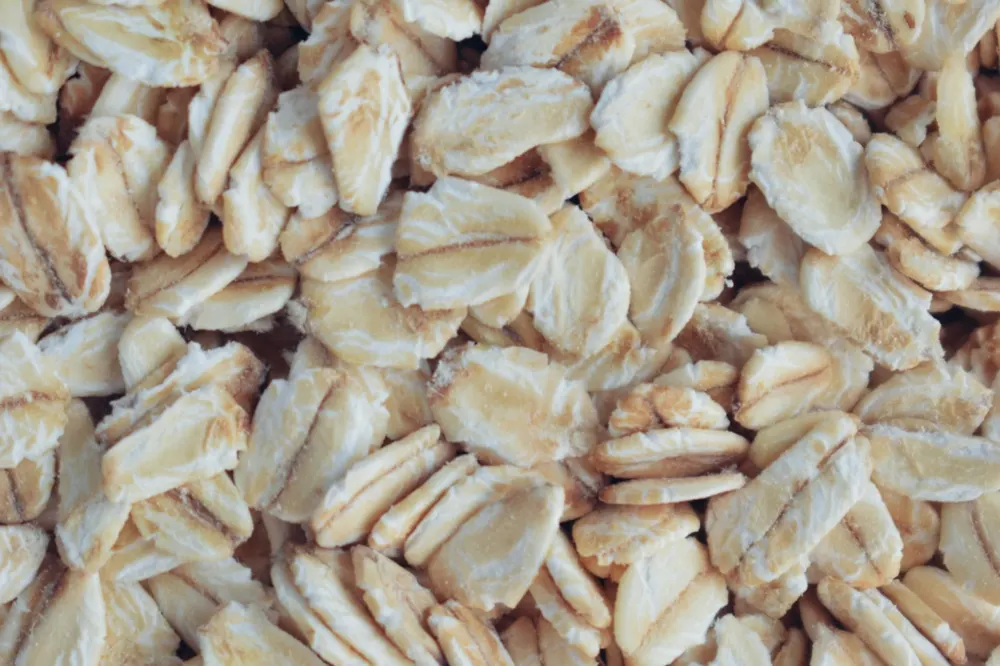
| Oats, brown rice, whole-wheat bread | White bread, white rice, pastries |
| Sadza from roller meal or rapoko | Large portions of sadza from refined white mealie meal |
| Sweet potatoes, beans, vegetables, whole fruit | Sugary drinks, juice, sweets, biscuits |
3. Fat
Fat is needed for hormones, brain health and absorbing some vitamins. It's also the most calorie-dense nutrient, with more than twice the calories of protein or carbs per gram, so portions matter.
- Healthier fats: avocado, peanuts and other nuts, seeds, fish, olive or sunflower oil in small amounts
- Limit: deep-fried food, fatty and processed meats, butter and lard in large amounts
And fibre
Fibre is the part of plant food your body can't digest. It keeps you full, feeds healthy gut bacteria and slows the rise in blood sugar after meals. A major review of 185 studies and 58 trials found that people who ate the most fibre had a 15 to 30% lower risk of dying early, and of heart disease, stroke, type 2 diabetes and bowel cancer. The biggest benefits came at 25 to 29 g a day or more.
- A cup of cooked beans: about 12 to 15 g
- A bowl of oats: about 4 g
- An apple or orange with the skin: about 3 to 4 g
- A cup of cooked leafy greens, such as covo or rape: about 4 to 7 g
Increase fibre gradually and drink plenty of water, or you may feel bloated at first.
Answer a few questions online and our doctor will reply on WhatsApp, usually within 24 hours.
Common questions
How much protein do I need?
At least 0.8 g per kg of body weight a day for most adults. If you're losing weight or doing strength exercise, your doctor or nutritionist may suggest more. People with kidney disease should ask before increasing protein.
Are carbs bad for weight loss?
No. Very low-carb diets work for some people, but in the long run, total calories and food quality matter most. Choose high-fibre carbs and watch portions.
Do I need protein shakes?
Not usually. Food can provide all the protein you need. Shakes are a convenient option if you struggle to eat enough.
Related
Sources
We base our guides on peer-reviewed research and guidance from health authorities. Where studies disagree or evidence is limited, we say so.
- Reynolds A, et al. Carbohydrate quality and human health: a series of systematic reviews and meta-analyses. Lancet. 2019. PubMed
- Song M, et al. Association of animal and plant protein intake with all-cause and cause-specific mortality. JAMA Intern Med. 2016. PubMed
- Monteyne AJ, et al. Vegan and omnivorous high protein diets support comparable muscle protein synthesis and hypertrophy. J Nutr. 2023. PubMed
- Wycherley TP, et al. Effects of energy-restricted high-protein diets: a meta-analysis of randomized controlled trials. Am J Clin Nutr. 2012. PubMed
- Morton RW, et al. Protein supplementation and resistance training-induced gains in muscle mass and strength. Br J Sports Med. 2018. PubMed
This guide is general information, not advice for your situation. Speak to a doctor before starting or changing any medicine.